



UFIT viscosity systems are used wherever precise and stable viscosity control is critical for product quality, safety, and process efficiency.
Typical customer groups include:
- Polymer producers – monitoring viscosity to control molecular weight and batch consistency.
- Lubricant and oil manufacturers – ensuring stable flow behavior and performance over temperature.
- pharmaceutical producers– viscosity control for well-defined, reproducible liquid systems and dilute polymer solutions
- Cellulose and papers producers – reflects key properties such as molecular weight and polymer degradation.
- Laboratories, R&D, and quality control – reproducible measurements for method development and release testing.
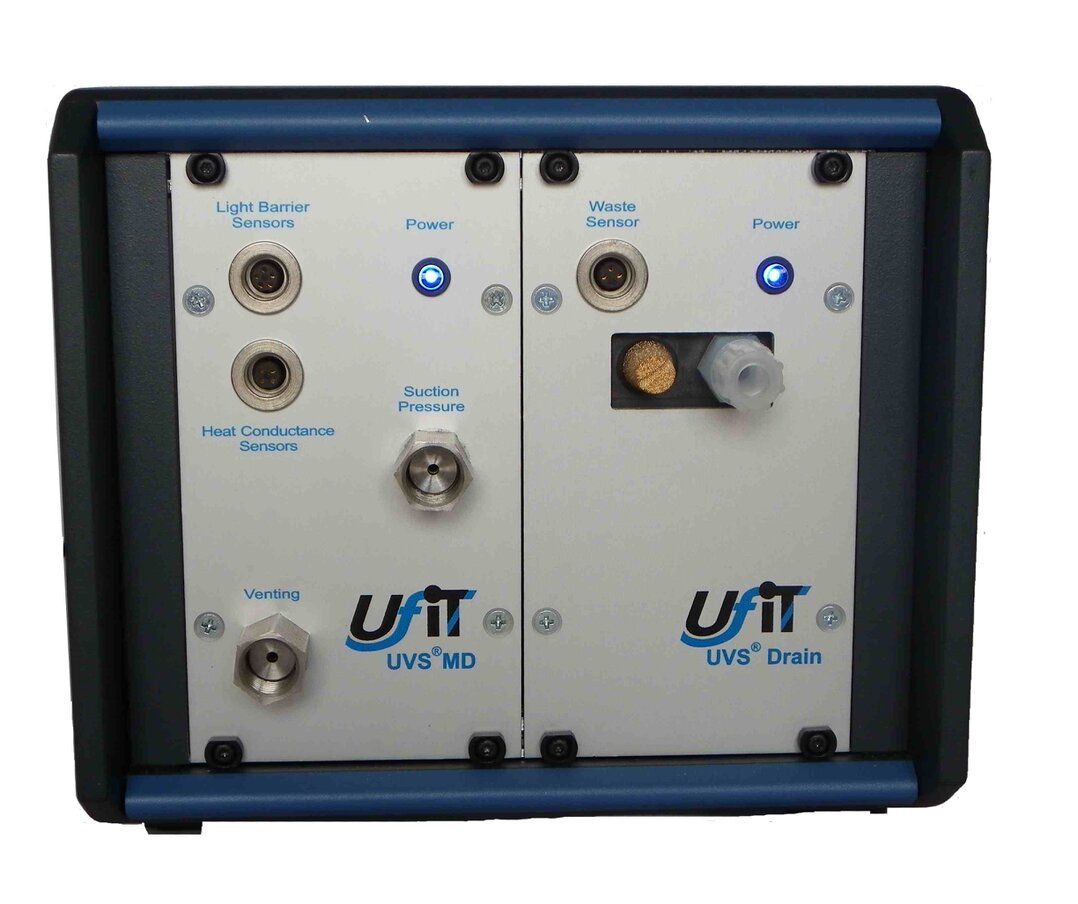
- Sample is dissolved according to standard methods
- PET (Polyethylene terephthalate)
- → Phenol / 1,2-dichlorobenzene
- Polyamide (PA, Nylon)
- → Sulfuric acid or formic acid
- PVC (Polyvinyl chloride)
→ Cyclohexanone or THF - Polystyrene (PS)
→ Toluene - Measurement with capillary viscometer at precisely (+-0.01°C) controlled temperature (e.g. 25 °C or 135 °C)
- Automatic calculation of IV and correlation to molecular weight
- Consistent material properties
- Reliable batch release
- Early detection of polymer degradation
In polymer, viscosity is a key indicator of molecular weight, degree of crosslinking, and consistency between batches. Typical applications include production control for polymer solutions and incoming goods inspection of raw materials.
UFIT viscometers are used in laboratory and QC environments to characterize polymer solutions with high accuracy and repeatability, but also in research & development to check new developped products in their characteristics
Our products for laboratory and quality control:
Capillary Viscometers (UFIT VA series), the heart of the measurement and
UFIT Viscosity Systems UVS, our measurement systems having chemically resistant components and a high precise temperature bath are available for aggressive solvents and elevated temperatures.
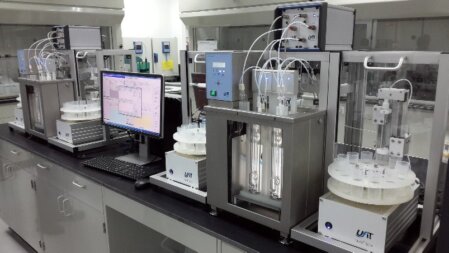
Precise determination of kinematic viscosity according to standards (e.g. ASTM D445).
- Measurement at multiple temperatures (e.g. 40 °C and 100 °C)
- Use of calibrated capillaries with automated timing
- Integration into LIMS systems
- Compliance with international standards and OEM specifications
- Optimized lubrication performance and energy efficiency
- Full traceability and audit readiness
For lubricants, hydraulic oils, and engine oils, viscosity directly determines film strength, pumpability, and energy efficiency. Producers must ensure tight viscosity tolerances across different temperatures to meet international standards and OEM specifications.
UFIT systems support laboratory measurements of base oils, additive packages, and finished lubricants across a defined temperature range.
Recommended products: Capillary Viscometers for precise laboratory characterization
Optional temperature control modules and calibration standard kits help ensure traceable, long-term stable results.
- Gelatin (e.g. for capsules)
- Cellulose and derivatives
- HPMC (Hydroxypropyl methylcellulose)
- MC (Methylcellulose)
- CMC (Carboxymethylcellulose)
- PVP (Polyvinylpyrrolidone)
- PEG (Polyethylene glycol)
- PLA / PLGA (biodegradable drug delivery polymers)
- Hyaluronic acid (HA) (non-crosslinked, in dilute solution)
- Low-viscosity active pharmaceutical ingredient (API) solutions
- Stability studies (viscosity changes over time)
- Purity and batch consistency control
- Cough syrups
- Sugar-based formulations (e.g. sucrose solutions)
- Liquid oral dosage forms
- Flow behavior
- Dosing accuracy
- Batch-to-batch consistency
- Infusion solutions (e.g. glucose, saline)
- Injectable low-viscosity formulations
- Injection behavior
- Product uniformity
- Ethanol, isopropanol
- Glycerol (in diluted form)
- Propylene glycol
- Purified water / buffer solutions
- Film-coating solutions
- Polymer-based tablet coatings
- Binder solutions
- Dissolution of cellulose in CED solution
- Measurement with capillary viscometer according to ISO 5351
- Calculation of molecular weight / DP
- Control of pulp quality
- Optimization of pulping and bleaching processes
- Assurance of paper strength properties
UFIT systems are built for continuous use in industrial environments and for long service lives in laboratories.
- High availability – Robust mechanical design, proven components, and conservative operating points help to minimize unplanned downtime.
- Lifespan and serviceability – The modular concept allows worn parts or modules to be replaced without changing the complete system.
- Stable measurement performance – Careful selection of capillaries, sensors, and temperature control ensures stable calibration over time.
- Support over the system lifecycle – UFIT supports customers with commissioning, training, maintenance, and upgrades as process requirements evolve.
Many systems operate reliably for many years with only routine maintenance and periodic verification.
If required, we can provide contact persons or more detailed reference information for projects in your industry, subject to confidentiality agreements.
You can also reach us directly:
Email: sales@ufit.de
Phone: +49 155 69 47 57 25
We will clarify which media, temperature and relevant norms are relevant for you and provide matching reference examples.